LED mirrors have become increasingly popular in residential bathroom remodels. Their sleek looks, integrated lighting, and energy efficiency make them a favored choice for both homeowners and designers. But amid the surge in LED mirror adoption, a key functional feature often gets overlooked or misunderstood: the demister pad.
Is the demister pad standard in mid-market LED mirrors these days? How do designers coordinate mirror selection with lighting layout and installation logistics? And what do industry experts like the National Kitchen & Bath Association (NKBA), lighting brands such as Golden Lighting, and retailers like Lumens say about this evolving fixture? This article dives deep into these questions.
Understanding LED Mirrors as Functional Decisions
Before getting into demister pads, first recognize that mirrors in bathrooms are not just decorative. They are complex functional elements whose shape, storage options, mounting type, and lighting integration must all be carefully evaluated.
Shape and Size
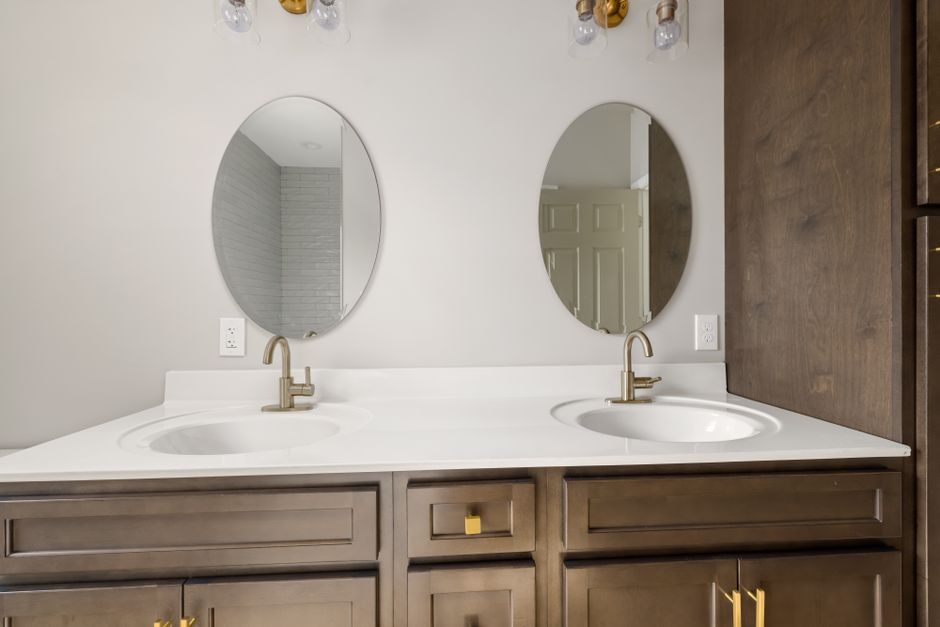
Mirror shape is a fundamental design choice. Rectangular and oval shapes dominate the market, with round mirrors holding a trendy but potentially dated appeal — as many NKBA-certified designers caution. Shape impacts sizing rules tied to lighting layout, which we’ll cover in detail later.

Storage Considerations
Some LED mirrors incorporate medicine cabinet storage, blending vanity functionality with illumination. However, these generally require thicker mounting depths and consultations with glaziers for templating and installing the plate glass properly.
Mounting
How the mirror mounts—floating, recessed, or wall-mounted on an https://tessatopmaid.com/recessed-medicine-cabinet-install-what-can-go-wrong-in-the-wall/ electrical feed—directly affects installation complexity. Electricians often add dedicated feeds to power these mirrors, especially when they feature hardwired LED lighting, which bypasses the need for visible cords.
Lighting Integration
This is the pivot point that affects everything else, including whether a demister pad features. Since I always decide lighting before mirror width, the optimal mirror size hinges on ensuring proper illumination levels and sconce spacing around the fixture.
The Role of Lighting: Task vs Ambient
Lighting needs in bathroom vanities balance two categories:
- Task Lighting: Focused illumination around the face and vanity surface for activities like shaving, makeup, and grooming. Ambient Lighting: General room illumination that creates an inviting mood.
LED mirrors with integrated front-lit or backlit panels offer ideal task lighting. But beware: some marketing glosses over whether an LED mirror is front-lit (light source behind the mirror surface shining forward) or backlit (lighting from the edge plays against the wall). This impacts both the mirror's effectiveness and how much space remains for flanking sconces.
Spacing and Placement Rules
Here’s a quick rule of thumb aligned with NKBA standards and industry best practices:
- Mount the mirror so that the midpoint is roughly 60 to 65 inches from the finished floor. This aligns with average user heights and accommodates adults comfortably. When flanking sconces accompany the mirror, leave at least 3 to 6 inches of clearance on both sides to avoid crowding and maintain balanced lighting. Mirror width typically correlates with vanity width—usually no wider than 75–80% of the vanity’s span to give sconces room to breathe.
Too often oversized mirrors swallow space or force sconces into awkward, less effective positions.
Demister Pads: What Are They and Why Do They Matter?
A demister pad (also known as a heated mirror pad) is a thin, heating element installed behind the mirror surface. Its purpose is to prevent condensation from fogging the glass during and after hot showers. For many homeowners, this feature feels indispensable, especially in humid climates.
Demister Pad Standard in Mid-Market LED Mirrors?
Mid-market LED mirrors usually include a demister pad nowadays, but not universally. Industry changes over the past decade have moved https://smoothdecorator.com/is-a-frameless-mirror-really-the-cheapest-option-for-your-bathroom-remodel/ demister pads from a premium add-on to a near-standard feature in many models. Here's why:
Consumer Expectation: Buyers now expect fog-free mirrors as a baseline, especially in newly remodeled bathrooms. Manufacturer Trends: Brands like Golden Lighting and others listed on retailers such as Lumens often specify built-in demister pads for LED mirrors within their mid-tier collections. Installation Coordination: Electricians coordinate dedicated feeds not only for mirror lighting but also to power the heated mirror pad, increasing electrical load but providing tangible user benefits.However, some very budget or economy models may omit this feature or charge a premium add-on fee.
Coordination with Electricians & Glaziers
From an installation standpoint:
- Electricians carefully plan power feeds — demister pads require constant, low wattage power when switched on. It’s best to hardwire LED mirrors including demister pads for reliability and to integrate with bathroom switches or occupancy sensors. Glaziers play a crucial role in templating and installing plate glass with integrated heating elements. The pad must be carefully bonded to the glass with no unsealed edges that can degrade over time due to humidity exposure.
Failing to do so causes common issues with fogging performance and long-term durability.
Best Practices and Common Pitfalls
From my 12 years of residential remodel documentation and coordination, here’s a small checklist:
Aspect Recommendation Common Failure Point Demister Pad Inclusion Specify LED mirrors with built-in heated mirror pad in all mid-market specs. Assuming fog-free function without verifying pad presence. Electrical Feed Hardwire mirror feeds including demister power; coordinate with electrician before ordering. Plug-in units without dedicated circuits cause safety and maintenance issues. Sealing & Edges Use glaziers experienced in bonding heated pads to prevent humidity infiltration. Unsealed edges cause pad failures and mirror fogging over time. Mirror Sizing and Sconce Spacing Follow NKBA mounting heights and spacing for optimal lighting aesthetics and usability. Oversized mirrors that crowd sconces and reduce task lighting efficiency.Final Verdict
Demister yes. Dashboard maybe. In other words, choose LED mirrors with built-in heated mirror pads as a standard feature for mid-market bathroom remodels. Coordinate early with electricians on dedicated power feeds. Engage a qualified glazier to correctly template and install. Adhere to lighting layout and sizing rules per NKBA guidance to maximize performance and long-term durability.
While round mirrors and feature-heavy designs may trend and then date, a fog-free LED mirror with proper lighting and mounting remains a timeless staple for functional yet stylish bathrooms.
References & Resources
- National Kitchen & Bath Association (NKBA) Golden Lighting Lumens – Modern Lighting and LED Mirrors