I spent eleven years standing in a bathroom showroom, listening to people describe their "dream" renovation. Usually, they’d point at a $15,000 Italian vanity or a bathtub that cost more than my first car. But here is the secret I’ve learned after a decade of design consultations: the "hotel feeling" isn't actually about how much you spend on the tiles. It’s about how the room feels when you walk in during the dark of the morning or after a long, draining day.
When you stay in a high-end hotel, the space feels like a sanctuary. It isn't just clean; it is intentional. It’s a space built for a ritual, not just a utilitarian rush. If you’re looking to replicate that sense of calm, you don't need a sledgehammer. You need to look at your lighting, your mirror, and your clutter.
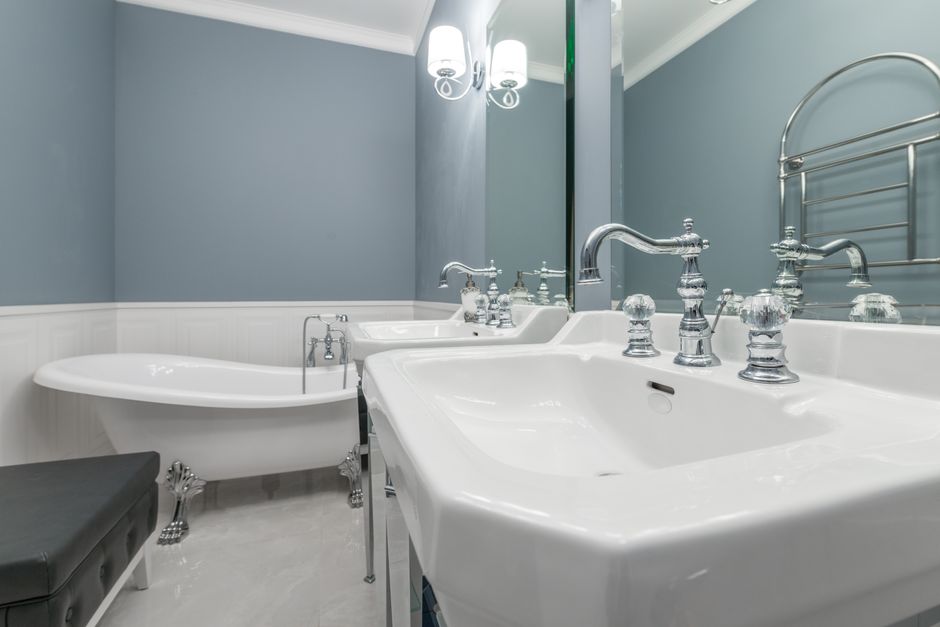
The Psychology of the Hotel Bathroom: Why Mood Matters
Think about the last time you checked into a hotel. Why did you love the bathroom? Was it the marble floors? Maybe, but mostly, it was the atmosphere. Luxury, in a bathroom sense, is the absence of stress. It’s about soft transitions, enough light to see clearly, but not so much that you feel like you’re being interrogated.
If your bathroom currently feels like a hospital treatment room—bright, cold, and glaring—you are fighting against your own biology. We need spaces that help us wake up gently and unwind effectively. This is where "wellness-focused design" isn't just a marketing buzzword; it’s about adjusting your environment to suit your circadian rhythm.
Step 1: Lighting is Everything (And Most People Get It Wrong)
In my showroom days, the number one complaint I dealt with was "shadow-casting." People would come in frustrated because they had one central light in the middle of the ceiling. It casts shadows under your eyes, makes shaving a nightmare, and feels incredibly institutional.
If you want a hotel feel, you have to embrace **layered lighting**. You need three types, and you need to use them differently:
- Ambient Lighting: This is your general "get ready" light. Keep it soft, preferably in the 3000K (warm white) range. Avoid those harsh 5000K or 6000K "daylight" bulbs unless you want to feel like you’re doing surgery. Task Lighting: This is the business end of the room. It’s the light around your vanity. You need even, diffused light that hits your face, not the top of your head. Accent Lighting: This is the secret sauce. A small LED strip under a vanity or a soft glow behind a mirror transforms the room from "functional" to "luxe."
I often point clients toward the LED Mirror World website when they want to solve both their mirror *and* lighting problems in one go. Integrated LED mirrors provide that shadow-free glow that hotels use to make everyone look like they’ve had eight hours of sleep. Just remember: keep the colour temperature consistent. Mixing a warm yellow light with a cold blue-white light is a recipe for visual chaos.
Step 2: Upgrade Outdated Mirrors
If your bathroom is sporting a frameless, glued-to-the-wall rectangle from the 1990s with the "black rot" creeping in around the edges, it’s time to move on. Upgrading outdated mirrors is arguably the single most high-impact change you can make. It changes the focal point of the room instantly.
When you start browsing for a replacement, don't just look for "a mirror." Look for a piece of decor that fits the scale of your vanity. If you’ve spent any time looking at interior photography—perhaps in a recent design feature in the Bendigo Advertiser or browsing through mood boards on Shutterstock—you’ll notice a trend: the mirror is rarely just a utility. It’s a statement piece. It dictates the geometry of the space.
Note: If you are looking at specific product pages, you’ll notice many retailers don't list prices upfront. Don't be discouraged by this. It’s often because of fluctuating shipping costs and customisation options. It’s better to inquire directly than to make assumptions based on a website’s lack of a price tag.
Step 3: Reduce Visual Clutter
Go into your bathroom right now. How many bottles are on your vanity surface? How many things are hanging off your towel rails? The hotel look thrives on minimalism. If every surface is covered in shampoo bottles, makeup, and hair tools, you have effectively killed the "calm" atmosphere before you’ve even started your ritual.
The "reduce visual clutter" rule is simple: if it doesn't need to be out, hide it. If your vanity is small, look for wall-mounted shelving or a small, attractive https://oliviamaids.com/are-led-bathroom-mirrors-energy-efficient-compared-to-old-lights/ basket to corral your products. The psychological effect of a clear benchtop is profound. It tells your brain that the day is over and the ritual can begin.
Small Changes That Change the Whole Room
As part of my "running list" of showroom-approved tweaks, I always suggest these low-effort, high-reward items. You don't need a permit to do these, and you don't need a team of tradies.
The Problem The "Hotel" Fix Why it Works Harsh, orange, or blue light Change bulbs to 3000K Immediately softens the mood of the room. Cluttered vanity Uniform storage containers Visual continuity reduces "brain noise." Dated, stained mirror Upgrade to an LED-integrated mirror Provides task light and a modern focal point. Tired towel rails Replace with matte black or brushed nickel Small metal finish updates feel expensive. Cheap, mismatched towels Invest in white, plush towels It’s a classic hotel psychological trigger.A Note on Reality: Renovating vs. Tweaking
I find it incredibly annoying when blogs tell readers to "just renovate" as if that’s a casual weekend task. Renovating a bathroom is a major financial and logistical undertaking. If you live in regional Victoria, you know that waiting on tradespeople and sourcing materials can be a saga all on its own. Often, when I see readers of the Bendigo Advertiser asking about bathroom updates, they are looking for ways to improve their space *now*, without the stress best way to clean frameless glass of a six-week construction period.
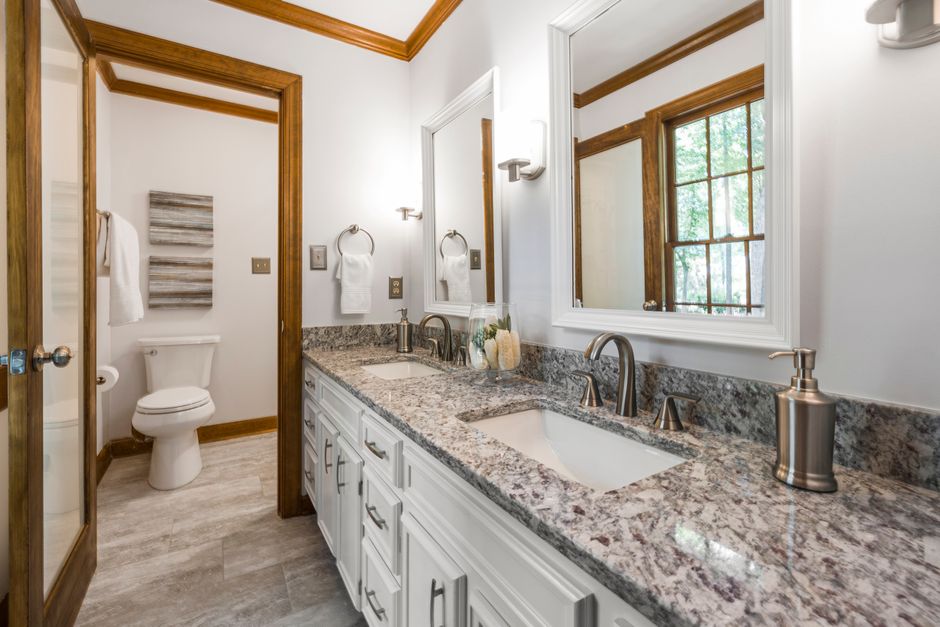
Focus on these small, additive changes first. Change your lighting, upgrade your mirror, and clear your surfaces. Often, once you do these three things, you’ll find that your "outdated" bathroom actually looks like a curated vintage choice rather than a neglected space.
The Final Polish
Don’t get caught up in buzzwordy marketing language that promises "instant spa-like transformation." Real change happens in the details. It’s the way the light catches your face in the morning, the lack of clutter when you're rushing to get to work, and the feeling of stepping into a room that actually serves your peace of mind.
If you’re ready to start, head to the LED Mirror World website and see how an updated mirror changes the light in your specific space. Check your bulb temperatures. Hide those bottles. And remember: luxury isn't about the price of the tile; it’s about the quality of the moment you spend in front of the mirror.
If you are a regular reader of the Bendigo Advertiser, keep an eye on their lifestyle section for local interior features—sometimes the best inspiration comes from seeing how your neighbours have handled these exact same design hurdles.